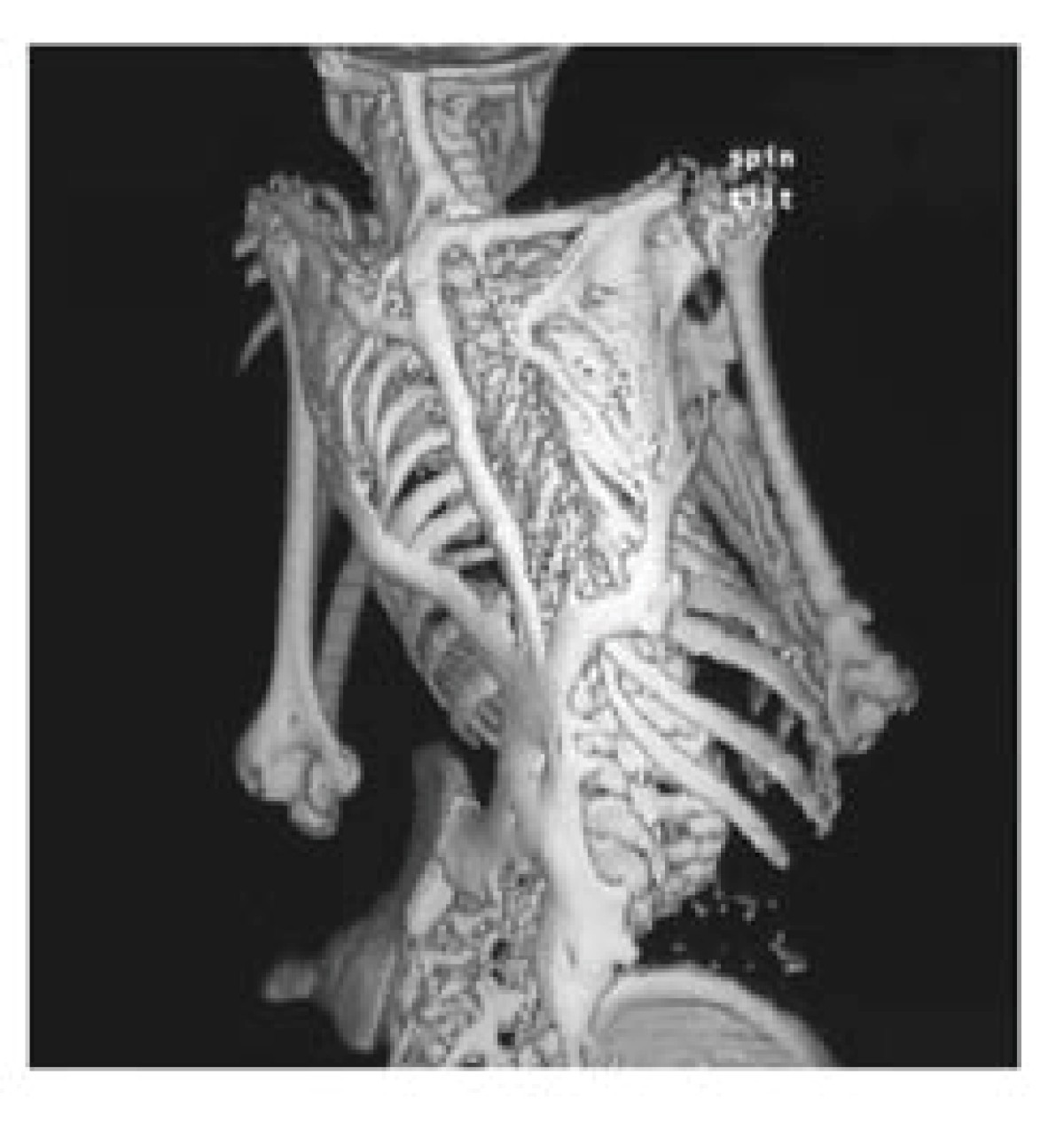
Fop Disease Life Expectancy . Fibrodysplasia ossificans progressiva (fop) is a rare disorder in which the tissues and muscle tissues are replaced by bones, constraining movement. With proper medical management, a person with fop may live up to 40 years.
Fibrodysplasia Ossificans Progressiva Pictures, Symptoms from www.primehealthchannel.com
Most fop patients have died before they reached 40 years of age. However, there are currently no effective therapies for these diseases, which remain incurable. Fibrodysplasia ossificans progressiva (fop) is a rare disorder in which the tissues and muscle tissues are replaced by bones, constraining movement.
Fibrodysplasia Ossificans Progressiva Pictures, Symptoms
The most common cause of death in patients with fibrodysplasia ossificans progressiva is a cardiorespiratory failure from thoracic insufficiency syndrome. There are three overall objectives in the nhs: Most patients with fop are bedridden by age 20 and have a life expectancy of 40 years. People with fop don't necessarily have a life expectancy set in stone.
Source: www.huffingtonpost.co.uk
Check Details
Unfortunately, there is no effective treatment for fibrodysplasia ossificans progressiva (fop). Fibrodysplasia ossificans progressiva (fop) is a rare disorder in which the tissues and muscle tissues are replaced by bones, constraining movement. However, a few have lived to be over 60. People with fop can be diagnosed after birth by the abnormal character (size, orientation) of their great toe which.
Source: ojrd.biomedcentral.com
Check Details
People with fop don't necessarily have a life expectancy set in stone. 41 rows fibrodysplasia ossificans progressiva (fop) is a disorder in which. Fibrodysplasia ossificans progressiva (fop) and diffuse intrinsic pontine glioma (dipg) are diseases that typically manifest in childhood and are associated with severely reduced life expectancy. Analyses of the international fop registry. There are three overall objectives in.
Source: today.uconn.edu
Check Details
The median life expectancy is about 55 years. Fop has a major impact on patients' lives. Similarly one may ask, what is the life expectancy of a person with fop? Fop causes difficulty of movement, joint stiffness, and can lead to difficulties with eating and breathing. There are three overall objectives in the nhs:
Source: orthopaedicprinciples.com
Check Details
Fibrodysplasia ossificans progressiva (fop) (mendelian inheritance in man [mim] #135100) is a severely disabling heritable disorder of connective tissue characterized by congenital malformations of the great toes (hallux valgus, malformed first metatarsal, and/or monophalangism) (figure 1) and progressive heterotopic ossification (ho) that forms. There are three overall objectives in the nhs: People with fop can be diagnosed after birth by.
Source: www.ibtimes.co.uk
Check Details
Fibrodysplasia ossificans progressiva (fop) is a rare disorder in which the tissues and muscle tissues are replaced by bones, constraining movement. Substantial excess mortality in patients with fibrodysplasia ossificans progressiva began at about the age of thirty years, with only an estimated 30% of the patients with fibrodysplasia ossificans progressiva surviving to the age of sixty years. People with fop.
Source: fabiosa.com
Check Details
Similarly one may ask, what is the life expectancy of a person with fop? Ashley is one of an estimated 700 people worldwide with fibrodysplasia ossificans progressiva (fop), an incurable disease sometimes known as 'stone man syndrome' because its devastating effects. Fibrodysplasia ossificans progressiva (fop) and diffuse intrinsic pontine glioma (dipg) are diseases that typically manifest in childhood and are.
Source: dailymedicos.com
Check Details
Fibrodysplasia ossificans progressiva (fop) is a rare disorder in which the tissues and muscle tissues are replaced by bones, constraining movement. There are three overall objectives in the nhs: Fop has a major impact on patients' lives. It can also be triggered by viral infections or diseases such as influenza. Any trauma to the body of someone who is living.
Source: www.primehealthchannel.com
Check Details
General health remains good and several people with fop in britain are over 60 years old. People with fop can be diagnosed after birth by the abnormal character (size, orientation) of their great toe which is larger than usual (hallux valgus); Fibrodysplasia ossificans progressiva (fop) is a rare disorder in which the tissues and muscle tissues are replaced by bones,.
Source: raregeneticdisorder.blogspot.com
Check Details
(2) measure fop disease progression over 36 months of observation;. Fibrodysplasia ossificans progressiva (fop) is a rare genetic disease that causes human connective tissue to turn into bone. With proper medical management, a person with fop may live up to 40 years. However, a few have lived to be over 60. They can also move around the body.